 Tech Volt Lab Automation | PLC | SCADA | Electrical | Electronics

SCADA vs PLC is one of the most important comparisons in industrial automation. A PLC performs fast, real-time machine control, while SCADA provides supervisory monitoring, visualization, alarms, and historical data. In a complete PLC SCADA system, both technologies work together across factories, power plants, water treatment facilities, and manufacturing lines. This guide explains the difference between PLC and SCADA, their individual roles, communication methods, software, and practical applications.
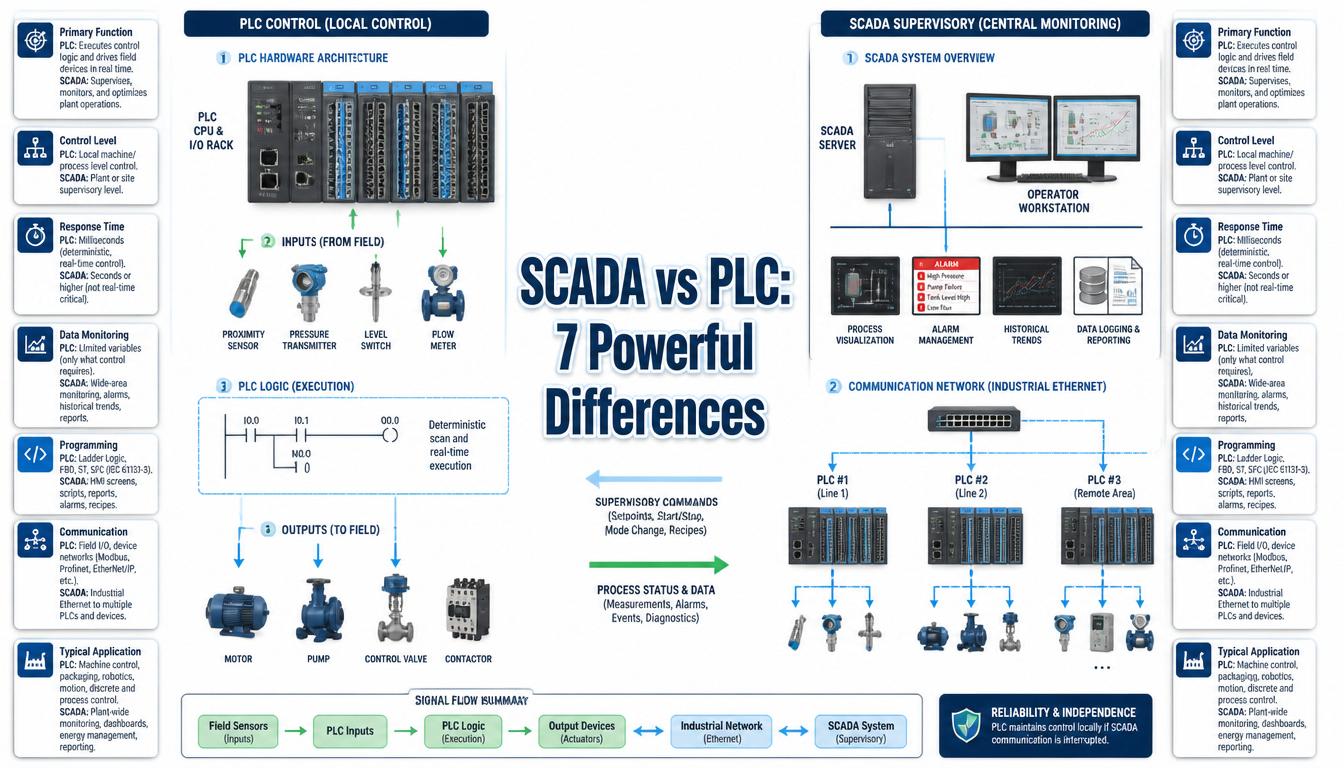
In this article, we explain the major differences in SCADA vs PLC systems, how they work together, and why both are important in modern industrial automation.
What Is a PLC?
A PLC, or Programmable Logic Controller, is an industrial computer designed to control machines and automation processes.
Main Function of a PLC
PLCs receive signals from sensors, process ladder logic programs, and control outputs such as motors, valves, relays, and conveyors.
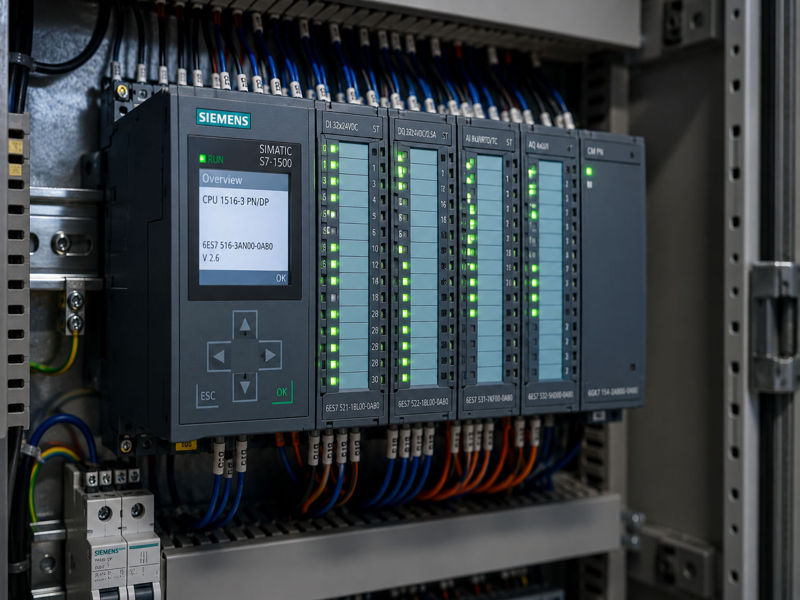
Common PLC Applications
- Motor control systems
- Conveyor automation
- Packaging machines
- Industrial robotics
- Water treatment systems
PLCs are designed for fast response times and reliable operation in harsh industrial environments.
What Is SCADA?
SCADA stands for Supervisory Control and Data Acquisition.
Main Function of SCADA
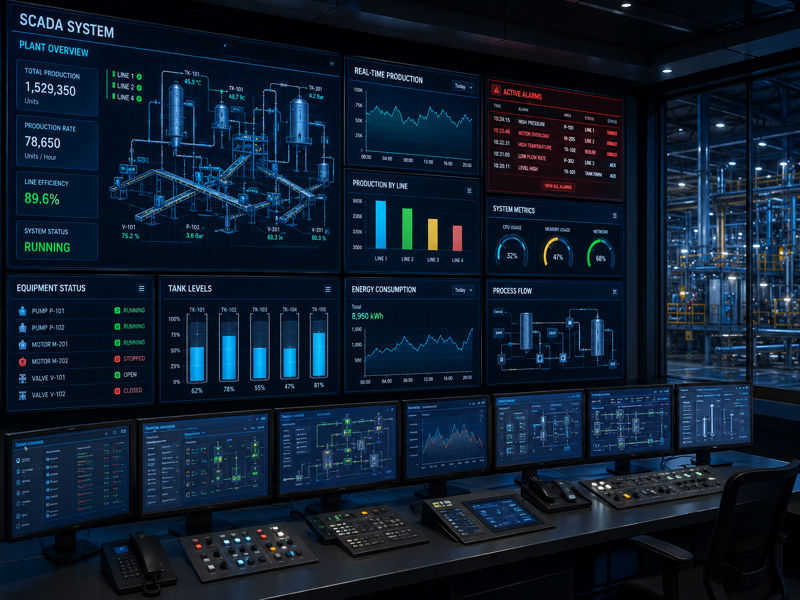
SCADA systems monitor, visualize, and control industrial processes from a central location.
Features of SCADA Systems
- Real-time monitoring
- Alarm management
- Historical data storage
- Remote control operation
- Trend analysis
SCADA software displays industrial processes using graphical interfaces called HMI screens.
Main Difference Between PLC and SCADA
The most significant difference is that a PLC controls machines directly, whereas SCADA monitors and supervises the entire process.
The following table shows a quick comparison between PLC and SCADA systems.
| Feature | PLC | SCADA |
|---|---|---|
| Main Purpose | Machine Control | Monitoring and Supervision |
| Type | Hardware Controller | Software System |
| Speed | Very Fast | Slower than PLC |
| Main Function | Controls Inputs and Outputs | Visualizes and Monitors Data |
| User Interface | Programming Logic | Graphical HMI Screens |
PLC Responsibilities
- Machine control
- Input and output processing
- Real-time automation logic
- Fast industrial response
SCADA Responsibilities
- System monitoring
- Operator visualization
- Data collection
- Alarm reporting
- Remote supervision
A PLC serves as the brain of an automated machine or process, while SCADA serves as the monitoring and management system.
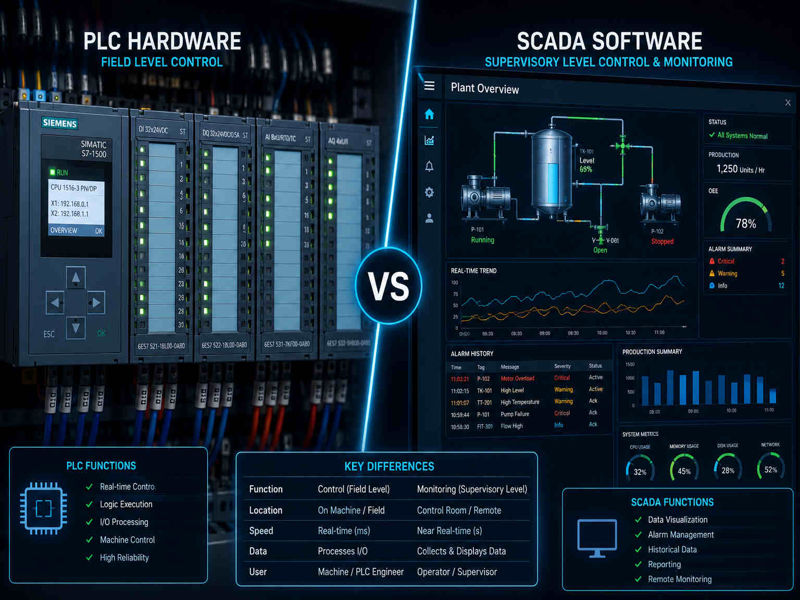
SCADA vs PLC: How PLC and SCADA Work Together
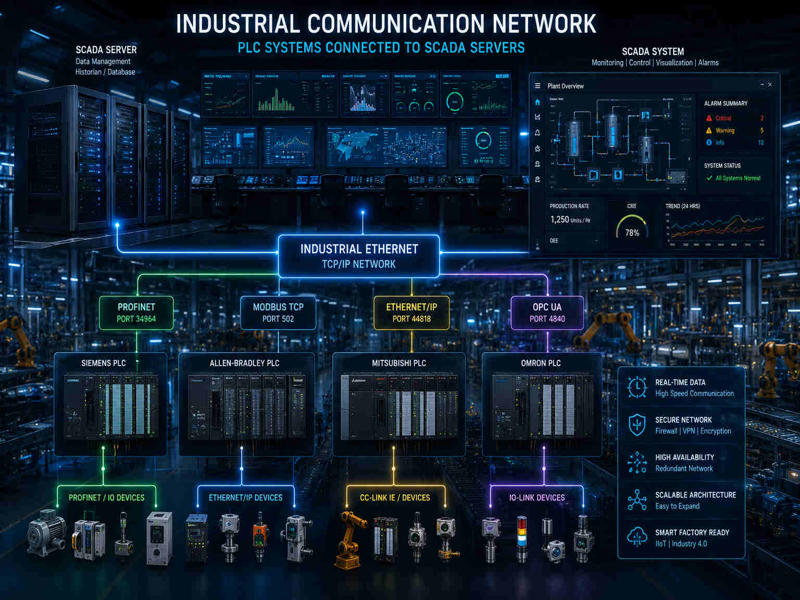
In industrial automation, SCADA vs PLC systems work together continuously for machine control, monitoring, data collection, and process automation.
Communication Process
- Sensors send signals to the PLC
- PLC processes ladder logic
- PLC controls outputs
- SCADA receives operational data
- Operators monitor the process visually
This integration allows factories to operate efficiently with centralized monitoring.
PLC and SCADA System Architecture
A typical PLC and SCADA architecture has three functional layers. Field devices such as sensors, switches, transmitters, motors, and valves connect to PLC input and output modules. The PLC executes control logic locally, even if the supervisory computer or network becomes unavailable. At the supervisory layer, SCADA software reads PLC tags, displays process values, records trends, manages alarms, and allows authorized operators to send commands.
PLC and SCADA software commonly exchange data through Modbus TCP, OPC UA, Profinet, EtherNet/IP, or vendor-specific drivers. The PLC should retain all safety-critical and time-critical control. SCADA should supervise the process, store historical information, and help operators understand plant conditions. This separation improves reliability because loss of the SCADA server does not have to stop the PLC control program.
- Field layer: Sensors, transmitters, actuators, motors, and valves
- Control layer: PLC hardware, I/O modules, and real-time logic
- Supervisory layer: SCADA servers, HMI screens, alarms, reports, and historians
Advantages of PLC Systems
Why Industries Use PLCs
- High reliability
- Fast processing speed
- Industrial durability
- Easy troubleshooting
- Flexible programming
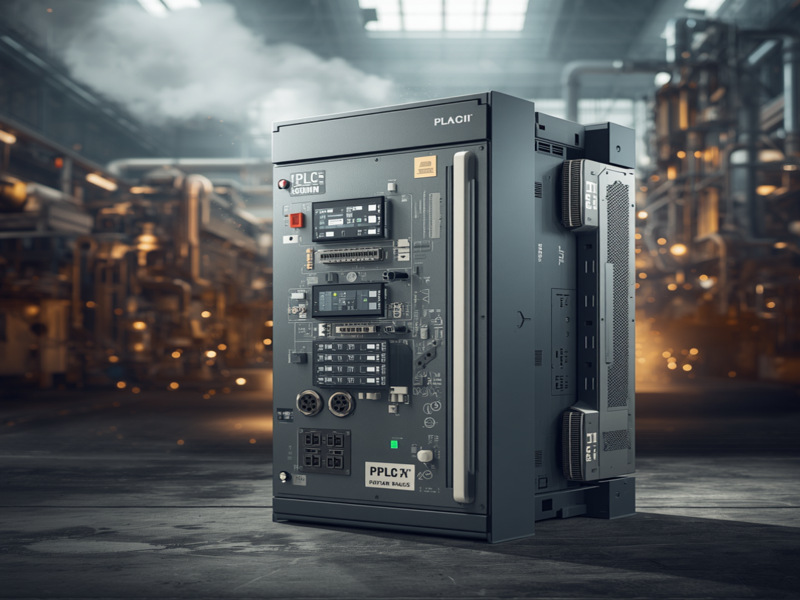
PLCs are built to survive heat, dust, vibration, and electrical noise inside industrial environments. For structured fault diagnosis, follow our PLC troubleshooting checklist. Engineers reviewing control logic should also avoid these common PLC programming mistakes.
Advantages of SCADA Systems
Benefits of SCADA Monitoring
- Centralized control
- Remote monitoring
- Historical data analysis
- Improved maintenance planning
- Reduced downtime
SCADA systems help engineers identify faults quickly and optimize industrial production. When SCADA trends electrical values, the Power Factor Calculator and Voltage Drop Calculator can support engineering checks outside the control system.

Popular PLC vs SCADA Brands
Popular PLC Manufacturers
- Siemens
- Allen Bradley
- Mitsubishi
- Omron
- Delta

Popular SCADA Software Platforms
- WinCC – A Siemens SCADA platform used for industrial monitoring and automation.
- FactoryTalk View – A Rockwell Automation SCADA and HMI software platform.
- Ignition SCADA – A modern industrial SCADA platform with a web-based architecture.
- Wonderware – Industrial visualization and process monitoring software developed by AVEVA.
- Citect SCADA – SCADA software designed for industrial control and monitoring applications.
Choosing the correct system depends on factory size, application type, and budget.
Which One Should Beginners Learn First?
For beginners entering industrial automation, learning PLC programming is usually recommended as a first step.
Why Start With PLC?
- PLC is the core of automation
- Ladder logic is easier for beginners
- Most automation jobs require PLC skills
- SCADA becomes easier after understanding PLC
After mastering PLC basics, learning SCADA systems becomes much simpler.
Real Industrial Example of PLC and SCADA
In a water treatment plant, PLCs control pumps, valves, and motor operations based on sensor inputs. SCADA systems monitor water levels, pressure, alarms, and system performance from a central control room. Operators can view real-time data and control the process remotely using SCADA software. During motor selection or commissioning, the Motor Current Calculator provides a quick current estimate for the controlled equipment.
Frequently Asked Questions
What is the main difference between SCADA and PLC?
PLC is used for real-time machine and process control, while SCADA is used for monitoring, visualization, and supervisory control of industrial systems.
Can SCADA work without a PLC?
Yes, SCADA can work without a PLC in some systems, but most industrial automation setups use PLCs to collect and process machine data.
Which is faster, PLC or SCADA?
PLC is faster because it performs real-time control operations directly on machines and industrial equipment.
Is SCADA software or hardware?
SCADA is mainly software used for industrial monitoring, data acquisition, alarm management, and process visualization.
How do PLC and SCADA communicate?
SCADA vs PLC systems communicate using industrial protocols such as Modbus, OPC UA, Profibus, and Ethernet/IP.
Which should beginners learn first, PLC or SCADA?
Beginners should usually learn PLC first because it is the core controller used in industrial automation systems.
Related Tech Volt Lab Resources
Final Thoughts
SCADA vs PLC systems are both essential parts of industrial automation. PLCs handle machine control while SCADA systems provide monitoring, visualization, and supervisory functions.
Together, they improve industrial productivity, safety, efficiency, and maintenance management.
Understanding the difference between PLC and SCADA is one of the most important fundamentals for automation engineers and industrial technicians.
